
Case Study: Structural Engineering Floor Vibration Assessment
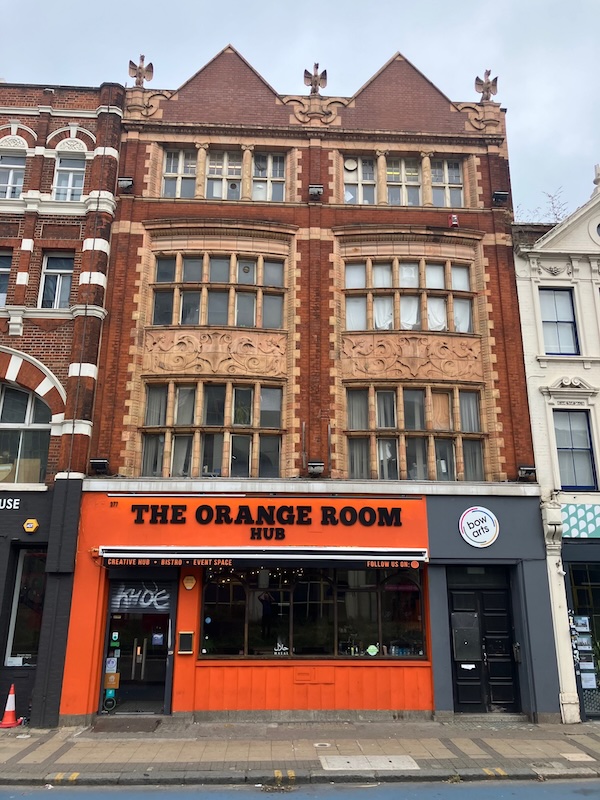
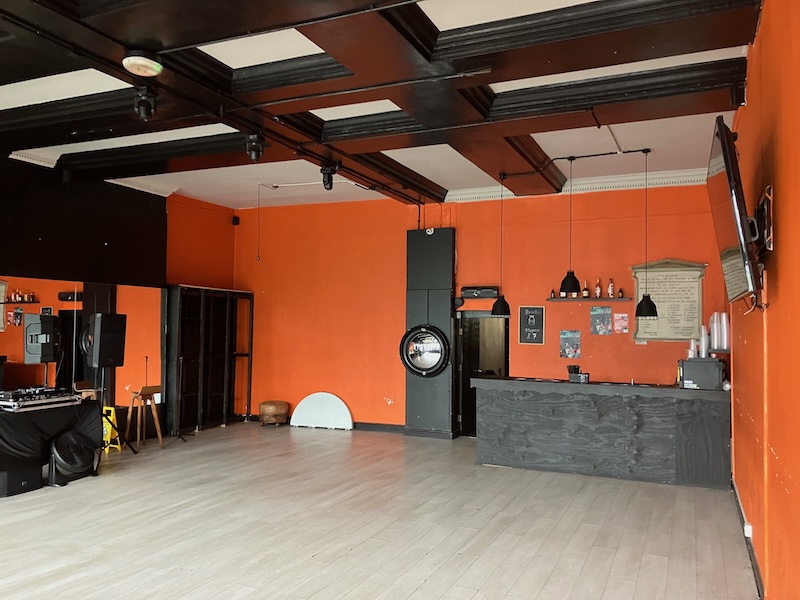
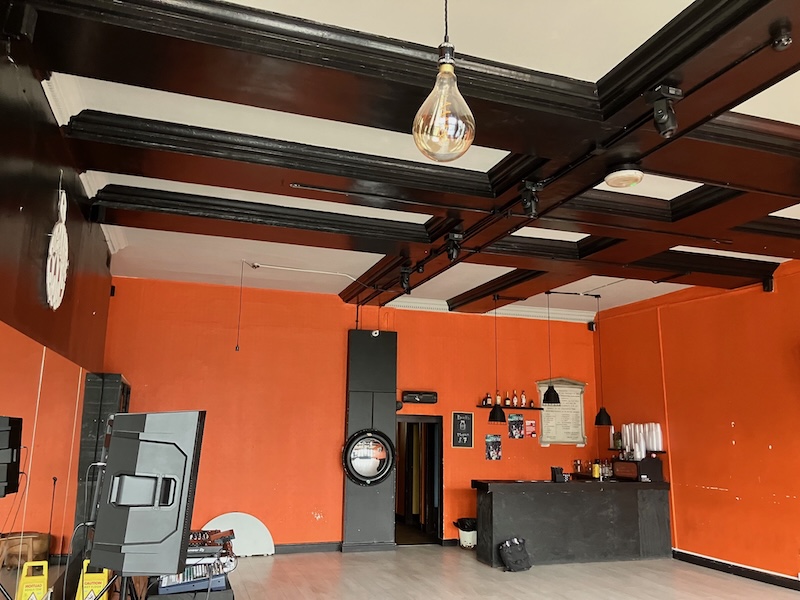
Property: Essex House, 375 High Street, London E15 4QZ
Client/Space: Ground Floor Event & Performance Space, The Orange Room
Architectural Origins: Built in the late 19th century as a prominent commercial property along Stratford High Street, featuring classic Victorian red-brick framing, expansive windows, high pointed gables, and heavy masonry detailing.
Non-Designated Heritage Asset: Recognized by the London Borough of Newham as a locally significant Non-Designated Heritage Asset due to its architectural quality and contribution to the historic streetscape.
Modern Transformation into a Creative Hub
- Upper Floor Artist Studios: The three floors above were repurposed by the Bow Arts Trust into 28 self-contained studios, catering to visual artists, sculptors, and digital creators.
- Ground Floor Change of Use: In 2023 the ground floor transitioned into a multi-use creative lounge, café, and high-occupancy event or performance venue known as The Orange Room, introducing dynamic assembly and dance loads to the historic ground-floor structural framework.
Structural Engineering Loading & Vibration Assessment
The Challenge
The adaptation of the ground floor from static commercial or retail use to a live music and dance venue introduced synchronized dynamic excitation. During high-occupancy events, rhythmic dancing generated excessive vertical floor deflection and perceptible structure-borne vibration, leading to user discomfort and operational interference.
Engineering Investigation & Loading Assessment
- Imposed Loading Verification: Evaluated structural floor capacity against BS EN 1991-1-1 criteria for assembly areas with fixed or potential crowding, targeting an imposed characteristic live load Qk = 5.0kN/m2. Primary framing elements were verified for static bending, shear, and bearing capacity under peak live load conditions.
- Dynamic Response & Resonance Analysis:
- Synchronized human activity such as dancing or jumping imposes dynamic forcing loads across a frequency range of 1.5 Hz to 3.5 Hz.
- Modal analysis confirmed that the primary fundamental natural frequency
of the floor span fell near or within the low-frequency dynamic amplification zone, where
is less than 8 Hz, causing resonance under rhythmic excitation.
Practical Engineering Advice & Remedial Strategy
To satisfy serviceability criteria, conforming with peak acceleration limits in BS 6472, structural modifications were evaluated based on structural efficiency, spatial constraints, and commercial viability:
- Evaluation of Section Stiffening:
- Direct section stiffening, such as bonding or retrofitting heavy steel plates or sections along the existing joist lengths, was evaluated but ruled out as commercially unviable due to high labour and fabrication costs.
- Span Reduction & Intermediate Support:
- Mid-Span Structural Support: Advised installing additional secondary sub-floor steel framing and intermediate prop supports below the primary dance zone. Shortening the effective span directly increases structural stiffness and drives the fundamental natural frequency well above the critical 8.0 Hz dynamic excitation threshold.