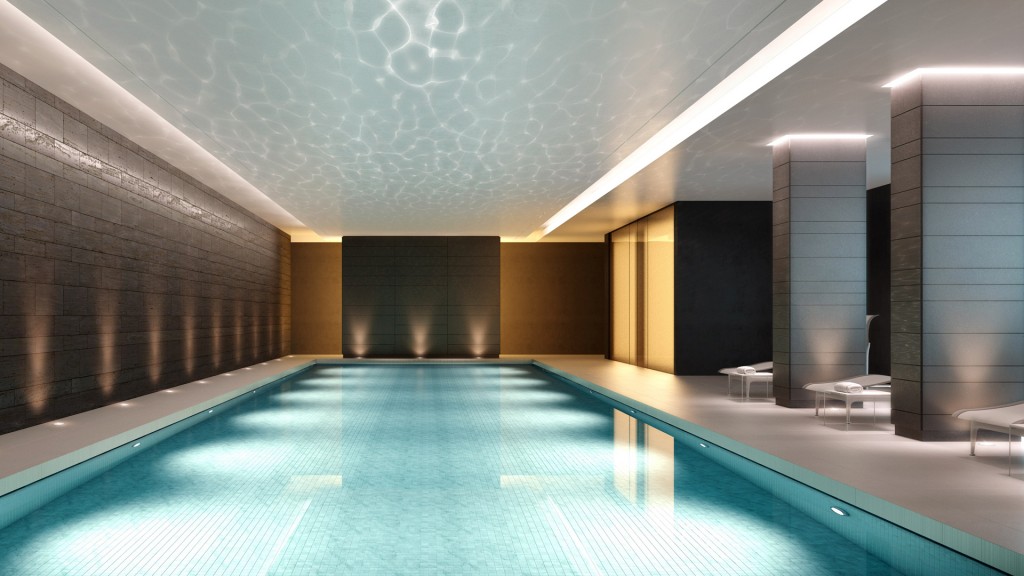
Deep Basements & Underpinning
Excavating beneath existing structures or constructing new deep basements demands rigorous geotechnical insight, structural precision, and a clear understanding of sequence-dependent risk. We engineer robust, buildable subterranean structures across London and the UK, balancing structural stability, water tightness, and structural movements on adjacent properties.
Subterranean & Basement Design
Basement design involves far more than static vertical load calculations; it requires analyzing the complex interaction between soil, groundwater, dynamic overburden changes, and existing foundations:
- Geotechnical Assessment & Retaining Structures: We design robust retaining systems—including traditional RC underpinning, contiguous/secant piled walls, and reinforced concrete box structures—analyzing hydrostatic heads, lateral earth pressures, and surcharge loads from neighboring structures.
- Basement Impact Assessments (BIA) & Party Wall Support: To satisfy strict London borough planning policies and Party Wall Surveyors, we prepare formal Basement Impact Assessments (BIAs). Our assessments evaluate hydrogeology, ground movement, slope stability, and structural action to safeguard adjacent properties against differential settlement.
- Buoyancy & Flotation Resistance: Unoccupied or light deep structures set within high water tables act like ships in water. We assess maximum hydrostatic uplift pressures to ensure an adequate factor of safety against flotation—incorporating strategic deadweight, tension piles, or ground anchors where necessary.
- Ground Heave & Unloading Analysis: Removing significant volumes of soil relieves overburden pressure, causing the exposed formation level to swell. We evaluate long-term elastic and clay heave dynamics to engineer foundation slabs, tension piles, or void formers capable of accommodating ground movement without cracking or distress.
- Temporary Works & Construction Sequencing: Soil-structure interaction changes at every stage of excavation. We develop staged construction methodologies, propping strategies, and temporary works sequences to control soil movement and maintain stability throughout the build.
- Waterproofing Integration (BS 8102): We design primary structural elements to align seamlessly with Type A (barrier), Type B (structurally integral), or Type C (drained) waterproofing systems, ensuring the specified grade of water tightness is achieved for the intended space usage.
Underpinning & Foundation Remediation
Whether required to facilitate deep subterranean excavations or to remediate structural movement caused by desiccated clay soils, mature tree roots, or inadequate ground bearing capacity, we engineer bespoke underpinning schemes:
- Traditional Sequential Pinning: Mass concrete traditional underpinning designed in strict, numbered sequence (typically 1m pins) to control load transfer and minimize localized ground movement.
- Advanced Remedial Foundation Schemes: Piled underpinning, cantilevered beam systems, and concrete needle beams engineered for severe structural distress, poor ground conditions, or complex load-transfer scenarios.